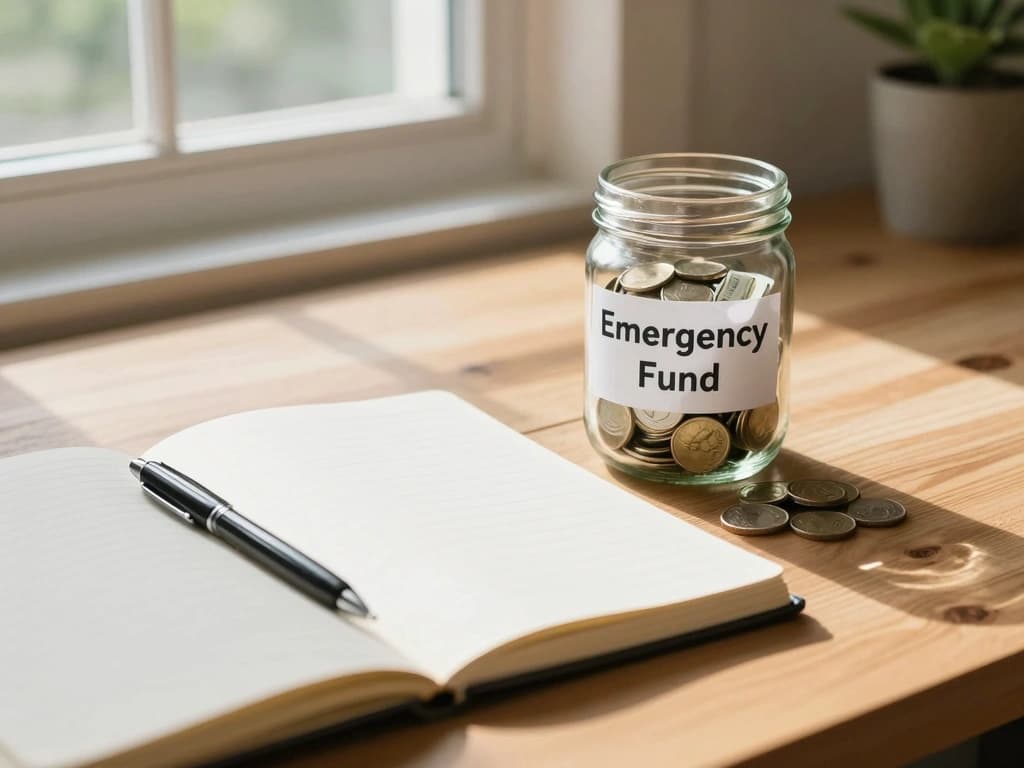
Understanding the Importance of an Emergency Fund
What is an Emergency Fund?
An emergency fund is a dedicated savings account designed to cover unexpected expenses that can arise in life. This could include medical emergencies, car repairs, job loss, or urgent home repairs. The primary purpose of an emergency fund is to provide financial security and peace of mind, ensuring that you are prepared for unforeseen circumstances without resorting to high-interest debt or financial strain.
Why You Need an Emergency Fund
Life is unpredictable, and having an emergency fund is a crucial safety net. Here are several reasons why building one is essential:
- Financial Security: An emergency fund helps you avoid falling into debt when unexpected expenses arise.
- Peace of Mind: Knowing you have savings set aside can relieve stress and allow you to focus on your daily life without worrying about potential financial crises.
- Flexibility: Having an emergency fund gives you the ability to make choices, such as taking time off work to recover from illness or pursue new job opportunities without the immediate pressure of financial obligations.
Common Misconceptions About Emergency Funds
Despite the clear benefits, many individuals have misconceptions about emergency funds that can hinder their ability to save. Here are a few common myths:
- “I don’t need an emergency fund because I have credit cards.” Relying on credit cards can lead to high-interest debt, which can be detrimental in times of financial stress.
- “I can’t save enough for an emergency fund.” Even small contributions can add up over time. The key is consistency, not the amount saved initially.
- “Emergency funds are only for emergencies.” While the primary function is to cover unexpected expenses, having a fund can also provide a buffer for planned expenses that deviate from your budget.
Assessing Your Financial Situation
Calculating Your Monthly Expenses
The first step in building an emergency fund from scratch is to thoroughly assess your current financial situation. Start by calculating your monthly expenses. This includes fixed costs, variable expenses, and any discretionary spending. Here’s how you can break it down:
- Fixed Costs: Rent/mortgage, utilities, insurance, and loan payments.
- Variable Expenses: Groceries, transportation, and healthcare.
- Discretionary Spending: Entertainment, dining out, and hobbies.
Once you have a comprehensive view of your monthly expenses, you’ll know how much you need to cover your basic needs, which is crucial for setting your emergency fund target.
Identifying Your Financial Goals
Next, take the time to identify your financial goals. Are you saving for a house, retirement, or your child’s education? Understanding your goals can help prioritize your savings efforts. When it comes to your emergency fund, your primary goal should be to protect yourself and your family from financial hardship.
Evaluating Your Current Savings
Before you start building your emergency fund, assess your current savings. If you have any existing savings accounts, determine how much can be allocated towards your emergency fund. If you are starting from zero, that’s perfectly fine; it simply means you have a clear path ahead.
Setting a Target for Your Emergency Fund
Determining the Right Amount to Save
Financial experts typically recommend saving between three to six months' worth of living expenses in your emergency fund. For example, if your monthly expenses total $2,500, aim to save between $7,500 and $15,000. This range provides a safety net that allows for various unexpected situations without leaving you financially vulnerable.
Creating a Timeline for Your Savings Goal
Once you have determined the amount you want to save, create a timeline for reaching your goal. For instance, if you aim to save $10,000 within two years, you need to save approximately $416 per month. Break this down further by determining how much you need to save weekly or bi-weekly to stay on track.
Adjusting Your Target Based on Life Changes
Your financial situation and life circumstances can change, impacting your savings goals. For example, if you get a raise or face increased expenses (like a child’s education), be prepared to adjust your target. Regularly revisit your financial situation to ensure your emergency fund remains aligned with your current needs.
Strategies for Building Your Emergency Fund
Creating a Budget to Allocate Savings
Establishing a budget is crucial for building your emergency fund. A well-structured budget allows you to allocate a specific portion of your income towards savings each month. Here’s how to create an effective budget:
- List all sources of income.
- Document all your monthly expenses as discussed earlier.
- Determine how much you can set aside for your emergency fund after covering essential expenses.
- Consider using budgeting tools or apps like Mint or YNAB (You Need A Budget) to help track your progress.
Utilizing Automatic Transfers to Savings
One of the easiest ways to build your emergency fund is to set up automatic transfers from your checking account to your savings account. By doing this, you ensure that you are consistently saving without having to think about it. For example, if you set up a transfer of $200 every payday, you’ll be surprised at how quickly your savings can grow without any extra effort.
Finding Extra Income Sources to Boost Savings
Consider exploring additional income sources to accelerate your emergency fund savings. This could include:
- Freelancing: Offer your skills on platforms like Upwork or Fiverr.
- Part-time Jobs: Consider getting a part-time job or gig work, such as driving for Uber or delivering food.
- Sell Unused Items: Go through your home and sell items you no longer need on websites like eBay or Facebook Marketplace.
Any extra income can be directly funneled into your emergency fund, significantly shortening the time it takes to reach your savings goal.
Maintaining and Growing Your Emergency Fund
Regularly Reviewing Your Fund's Status
Once you’ve built your emergency fund, it’s vital to regularly review its status. Check your savings every few months to ensure you are on track and that your fund is sufficient for your needs. This can also help you identify if you need to adjust your savings strategy based on changes in your financial situation.
Reassessing Your Savings Goal Annually
As your life evolves, so should your emergency fund. Make it a habit to reassess your savings goal at least once a year. This will help you account for changes in your income, expenses, and life circumstances. If you’ve added new financial responsibilities or if your expenses have increased, adjust your target accordingly.
Investing Wisely to Grow Your Emergency Fund
While the primary purpose of your emergency fund is accessibility, consider placing your funds in a high-yield savings account or a money market account that offers better interest rates than a traditional savings account. For instance, online banks like Ally or Marcus by Goldman Sachs often provide higher interest rates, which can help your emergency fund grow more rapidly while still being easily accessible in case of emergencies.
In conclusion, building an emergency fund from scratch is a manageable and essential financial goal. By understanding the importance of an emergency fund, assessing your financial situation, setting a target, and employing effective strategies, you can create a safety net that provides security and peace of mind for you and your family. Remember, the key is consistency and a proactive approach to your savings journey.